Buy xxwwx.com ?
We are moving the project
xxwwx.com .
Are you interested in purchasing the domain
xxwwx.com ?
domain@kv-gmbh.de · 0541-91531010
Buy xxwwx.com ?
What are the differences between argumentative structure and summary?
The main difference between argumentative structure and summary lies in their purpose and content. Argumentative structure is used to present a clear and logical progression of ideas to support a specific claim or viewpoint. It includes an introduction, body paragraphs with supporting evidence, and a conclusion. On the other hand, a summary is a concise overview of the main points and key details of a text, speech, or event. It does not include the writer's opinion or analysis, but rather focuses on presenting the main ideas in a condensed form. Overall, argumentative structure is used to persuade and convince, while a summary is used to inform and provide an overview. **
What are the differences in the structure of citric acid and sodium hydroxide?
Citric acid is a weak organic acid with the chemical formula C6H8O7, while sodium hydroxide is an inorganic compound with the chemical formula NaOH. Citric acid is a tricarboxylic acid, meaning it has three carboxylic acid functional groups, while sodium hydroxide is a strong base composed of sodium cations and hydroxide anions. Additionally, citric acid is a small, water-soluble molecule, while sodium hydroxide is a solid at room temperature and highly soluble in water. **

Similar search terms for Differences Structure
Top-Angebote
Products related to Differences Structure:
-
Geske Hyaluronic Acid Serum Triple Hyaluronic Structure 30mLA facial serum for wrinkles and signs of ageing. Intensive care for extremely dry skin. Triple hyaluron structure for deep penetration. Reduces wrinkles and enhances skin elasticity. Give your skin the care it deserves, addressing the needs of extremely dry skin. Replenish, rejuvenate, and radiate with the power of Hyaluronic Acid Serum for a healthier and more vibrant complexion.11,07 £*Shipping: 5,22 £Secure redirect to the provider
-
Bluebell 63 Inch Farmhouse Office Computer Desk with Sturdy Leg Structure"Spacious Design: Measuring 63"" W x 31.5"" D, this executive desk offers plenty of room for dual monitors, laptops, and paperwork, while keeping essentials within reach and everything organized and accessible Solid Construction: Built to last with a..."199,99 $*Shipping: 0,00 $Secure redirect to the provider




-
How is the structure of electrical devices?
The structure of electrical devices varies depending on their function and design. However, most electrical devices consist of a power source, such as a battery or plug-in connection, which provides the necessary electrical energy. This energy is then directed through a circuit, which includes components such as resistors, capacitors, and transistors, to perform specific functions. The circuit is often housed within a protective casing, and the device may also include input and output interfaces for user interaction. Overall, the structure of electrical devices is designed to efficiently and safely convert electrical energy into useful functions. **
-
What are the similarities and differences in the structure of DNA compared to proteins?
Both DNA and proteins are made up of long chains of building blocks. In DNA, the building blocks are nucleotides, while in proteins, they are amino acids. Both DNA and proteins have a primary structure that determines their sequence of building blocks. However, DNA has a double helix structure, while proteins have a more complex three-dimensional structure determined by interactions between amino acids. **
-
What are the differences and similarities between the IT system electronics technician and the electronics technician for devices and systems?
The IT system electronics technician primarily focuses on the installation, maintenance, and troubleshooting of information technology systems, including computer networks, servers, and software applications. On the other hand, the electronics technician for devices and systems specializes in the repair and maintenance of electronic devices and equipment, such as televisions, radios, and other consumer electronics. Both roles require a strong understanding of electronics principles and troubleshooting techniques, but the IT system electronics technician typically works with more complex systems and technologies compared to the electronics technician for devices and systems. **
-
Are there major differences between the training for an electronics technician for industrial engineering and an electronics technician for automation technology?
Yes, there are major differences between the training for an electronics technician for industrial engineering and an electronics technician for automation technology. Electronics technicians for industrial engineering focus on the installation, maintenance, and repair of electrical systems in industrial settings, while electronics technicians for automation technology specialize in designing, programming, and maintaining automated systems and machinery. The training for automation technology may involve more advanced coursework in robotics, control systems, and programming languages compared to industrial engineering. Additionally, automation technology technicians may work more closely with engineers to develop and implement automated solutions, while industrial engineering technicians may focus more on troubleshooting and maintaining existing systems. **


Can someone explain the differences between classes, strata, and milieus in social structure to me?
In social structure, classes refer to groups of people who share similar economic positions and opportunities. Strata, on the other hand, are layers or levels within a society that are based on factors such as income, education, and occupation. Milieus are social environments or settings where individuals interact and share common values, lifestyles, and interests. While classes focus on economic factors, strata consider various social indicators, and milieus emphasize cultural and lifestyle aspects within the social structure. **
What are the differences between the shell model, the cloud model, and the Lewis structure?
The shell model describes the arrangement of electrons in energy levels or shells around the nucleus of an atom. The cloud model represents electrons as a cloud of negative charge surrounding the nucleus, with no specific orbit or trajectory. Lewis structures, on the other hand, show the arrangement of atoms and valence electrons in a molecule or ion, using dots to represent valence electrons and lines to represent covalent bonds. Each model provides a different perspective on the behavior and structure of atoms and molecules. **
Top-Angebote
Products related to Differences Structure:
-
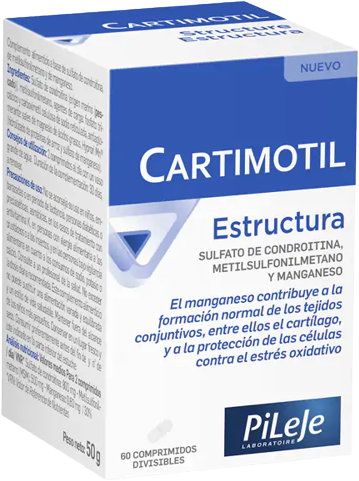
Pileje Cartimotil Structure 60 TabletsNutrition and Supplements Collagens and Cartilage Pileje Cartimotil Structure 60 Tablets Cartimotil Structure is designed to support people who need cartilage care, thanks to its manganese content, which contributes to the normal formation of connective tissue. It also contains methylsulfonylmethane (MSM) and chondroitin sulfate. Cartilage is a connective tissue composed of 70% water, proteoglycans (proteins, glucosamine, and chondroitin), and type 2 collagen, found at the junction between numerous bone components of the skeleton. This cushions shocks caused by movement. Cartimotil Structure was developed to meet the needs of people who want to take care of their cartilage. It is a dietary supplement based on chondroitin sulfate, methylsulfonylmethane, and manganese. Chondroitin sulfate is a natural component of cartilage. MSM is a sulfur compound present in trace amounts in nature (milk, eggs, pepper, onion, horsetail, shellfish, etc.). Manganese contributes to the normal formation of connective tissue, including cartilage, and to the protection of cells from oxidative stress. How to Use: 2 tablets a day with a large glass of water.29,31 £*Shipping: 3,99 £Secure redirect to the provider
-
A-Street Prints Structure Green Chain Link WallpaperGive décor a mod punch with this energizing wallpaper design. A quatrefoil stripe gives walls the illusion of a stylish chain link design that lends a fresh and contemporary air to your space.99,99 $*Shipping: 0,00 $Secure redirect to the provider
-
Geske Hyaluronic Acid Serum Triple Hyaluronic Structure 30mLA facial serum for wrinkles and signs of ageing. Intensive care for extremely dry skin. Triple hyaluron structure for deep penetration. Reduces wrinkles and enhances skin elasticity. Give your skin the care it deserves, addressing the needs of extremely dry skin. Replenish, rejuvenate, and radiate with the power of Hyaluronic Acid Serum for a healthier and more vibrant complexion.11,07 £*Shipping: 5,22 £Secure redirect to the provider
-
What are the differences between argumentative structure and summary?
The main difference between argumentative structure and summary lies in their purpose and content. Argumentative structure is used to present a clear and logical progression of ideas to support a specific claim or viewpoint. It includes an introduction, body paragraphs with supporting evidence, and a conclusion. On the other hand, a summary is a concise overview of the main points and key details of a text, speech, or event. It does not include the writer's opinion or analysis, but rather focuses on presenting the main ideas in a condensed form. Overall, argumentative structure is used to persuade and convince, while a summary is used to inform and provide an overview. **
-
What are the differences in the structure of citric acid and sodium hydroxide?
Citric acid is a weak organic acid with the chemical formula C6H8O7, while sodium hydroxide is an inorganic compound with the chemical formula NaOH. Citric acid is a tricarboxylic acid, meaning it has three carboxylic acid functional groups, while sodium hydroxide is a strong base composed of sodium cations and hydroxide anions. Additionally, citric acid is a small, water-soluble molecule, while sodium hydroxide is a solid at room temperature and highly soluble in water. **
-
How is the structure of electrical devices?
The structure of electrical devices varies depending on their function and design. However, most electrical devices consist of a power source, such as a battery or plug-in connection, which provides the necessary electrical energy. This energy is then directed through a circuit, which includes components such as resistors, capacitors, and transistors, to perform specific functions. The circuit is often housed within a protective casing, and the device may also include input and output interfaces for user interaction. Overall, the structure of electrical devices is designed to efficiently and safely convert electrical energy into useful functions. **
-
What are the similarities and differences in the structure of DNA compared to proteins?
Both DNA and proteins are made up of long chains of building blocks. In DNA, the building blocks are nucleotides, while in proteins, they are amino acids. Both DNA and proteins have a primary structure that determines their sequence of building blocks. However, DNA has a double helix structure, while proteins have a more complex three-dimensional structure determined by interactions between amino acids. **
Similar search terms for Differences Structure
-
Bluebell 63 Inch Farmhouse Office Computer Desk with Sturdy Leg Structure"Spacious Design: Measuring 63"" W x 31.5"" D, this executive desk offers plenty of room for dual monitors, laptops, and paperwork, while keeping essentials within reach and everything organized and accessible Solid Construction: Built to last with a..."199,99 $*Shipping: 0,00 $Secure redirect to the provider
-
Maria Nila Structure Repair Conditioner for Dry and Damaged Hair 1000mLA conditioner. Transform your damaged hair with Structure Repair Conditioner - a detangling marvel that softens, moisturizes, and fights static electricity. For dry and damaged hair. Reduces static electricity. Color protection: Preserves the vibrancy of your hair color by shielding it from UV radiation and free radicals.52,97 £*Shipping: 15,47 £Secure redirect to the provider
-
What are the differences and similarities between the IT system electronics technician and the electronics technician for devices and systems?
The IT system electronics technician primarily focuses on the installation, maintenance, and troubleshooting of information technology systems, including computer networks, servers, and software applications. On the other hand, the electronics technician for devices and systems specializes in the repair and maintenance of electronic devices and equipment, such as televisions, radios, and other consumer electronics. Both roles require a strong understanding of electronics principles and troubleshooting techniques, but the IT system electronics technician typically works with more complex systems and technologies compared to the electronics technician for devices and systems. **
-
Are there major differences between the training for an electronics technician for industrial engineering and an electronics technician for automation technology?
Yes, there are major differences between the training for an electronics technician for industrial engineering and an electronics technician for automation technology. Electronics technicians for industrial engineering focus on the installation, maintenance, and repair of electrical systems in industrial settings, while electronics technicians for automation technology specialize in designing, programming, and maintaining automated systems and machinery. The training for automation technology may involve more advanced coursework in robotics, control systems, and programming languages compared to industrial engineering. Additionally, automation technology technicians may work more closely with engineers to develop and implement automated solutions, while industrial engineering technicians may focus more on troubleshooting and maintaining existing systems. **
-
Can someone explain the differences between classes, strata, and milieus in social structure to me?
In social structure, classes refer to groups of people who share similar economic positions and opportunities. Strata, on the other hand, are layers or levels within a society that are based on factors such as income, education, and occupation. Milieus are social environments or settings where individuals interact and share common values, lifestyles, and interests. While classes focus on economic factors, strata consider various social indicators, and milieus emphasize cultural and lifestyle aspects within the social structure. **
-
What are the differences between the shell model, the cloud model, and the Lewis structure?
The shell model describes the arrangement of electrons in energy levels or shells around the nucleus of an atom. The cloud model represents electrons as a cloud of negative charge surrounding the nucleus, with no specific orbit or trajectory. Lewis structures, on the other hand, show the arrangement of atoms and valence electrons in a molecule or ion, using dots to represent valence electrons and lines to represent covalent bonds. Each model provides a different perspective on the behavior and structure of atoms and molecules. **
* All prices are inclusive of VAT and, if applicable, plus shipping costs. The offer information is based on the details provided by the respective shop and is updated through automated processes. Real-time updates do not occur, so deviations can occur in individual cases. ** Note: Parts of this content were created by AI.