Buy xxwwx.com ?
We are moving the project
xxwwx.com .
Are you interested in purchasing the domain
xxwwx.com ?
domain@kv-gmbh.de · 0541-91531010
Buy xxwwx.com ?
Is Febi Bilstein a good brand for timing belt replacement?
Febi Bilstein is a reputable brand known for producing high-quality automotive parts, including timing belts. Their timing belts are designed to meet or exceed OEM specifications, making them a reliable choice for replacement. Customers have reported positive experiences with Febi Bilstein timing belts, citing their durability and performance. Overall, Febi Bilstein is considered a good brand for timing belt replacement due to their quality products and reputation in the automotive industry. **
Why is clutch wear lowest in the lowest gear?
Clutch wear is lowest in the lowest gear because the engine speed is closest to the vehicle speed in this gear. This means there is less slipping required to match the engine speed with the transmission speed, resulting in less wear on the clutch. Additionally, the torque multiplication in the lower gear reduces the load on the clutch, further decreasing wear. Overall, the lower gear allows for smoother engagement and disengagement of the clutch, minimizing wear and tear on the clutch components. **

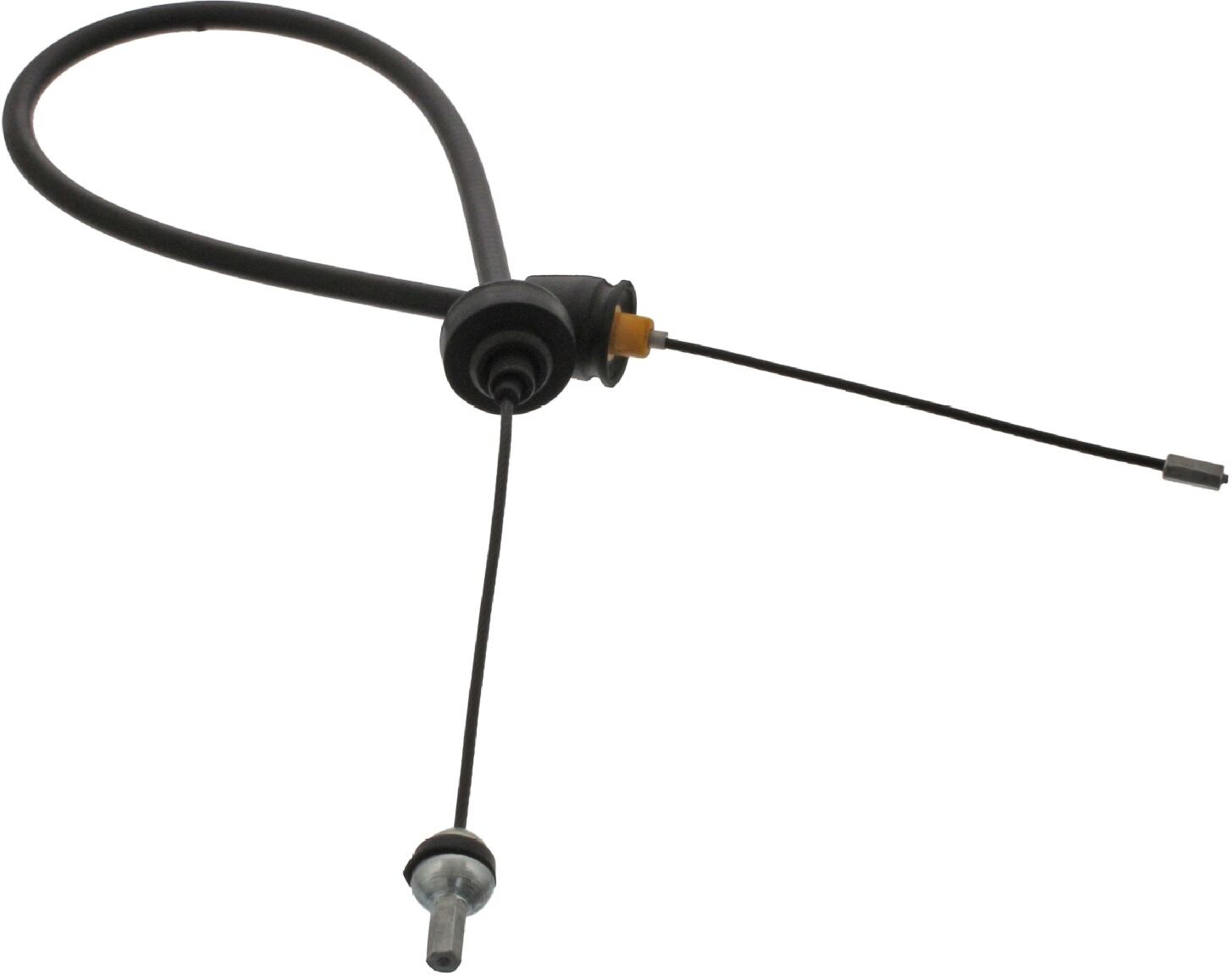
Similar search terms for FEBI-BILSTEIN-197607-Clutch
Top-Angebote
Products related to FEBI-BILSTEIN-197607-Clutch:


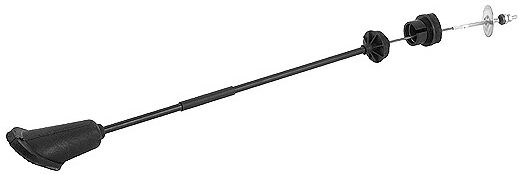
-
Why is clutch wear the lowest in the lowest gear?
Clutch wear is lowest in the lowest gear because the engine is rotating at a slower speed, which means there is less friction and less wear on the clutch. In the lowest gear, the engine has more mechanical advantage, so it doesn't have to work as hard to move the vehicle, resulting in less strain on the clutch. Additionally, the lower gear allows for smoother and more gradual acceleration, reducing the need for frequent clutch engagement and disengagement, further minimizing wear on the clutch. **
-
Does it damage the clutch to start in second gear?
Starting in second gear can put extra strain on the clutch and transmission, as it requires more power to get the vehicle moving. This can cause premature wear and damage to the clutch over time. Additionally, starting in second gear can also put stress on the engine and drivetrain. It is generally recommended to start in first gear to minimize wear and tear on the clutch and other components. **
-
Does it harm the clutch to start in second gear?
Starting in second gear can put extra strain on the clutch as it requires more power to get the vehicle moving. This can lead to premature wear and potential damage to the clutch over time. It is generally recommended to start in first gear to reduce strain on the clutch and ensure smooth operation of the vehicle. **
-
In what order do I use the gear and clutch?
To properly use the gear and clutch in a manual transmission vehicle, you should first press the clutch pedal all the way down to disengage the engine from the transmission. Then, shift the gear lever to the desired gear (1st gear for starting from a stop, for example). Once the gear is selected, slowly release the clutch pedal while gently pressing the gas pedal to smoothly engage the engine with the transmission. Remember to always use the clutch when shifting gears to prevent damage to the transmission. **


How is the first gear engaged without using the clutch?
To engage the first gear without using the clutch, the vehicle needs to be at a complete stop. Then, the driver can shift the gear lever into first gear while gently applying pressure on the gas pedal. As the vehicle starts to move forward, the transmission will engage the first gear without the need for the clutch. This technique is known as "rev-matching" and requires precise timing and coordination to avoid damaging the transmission. It should be used sparingly and only in emergency situations. **
How do you quickly release the clutch from the 2nd gear?
To quickly release the clutch from 2nd gear, you should first ensure that the engine is at the appropriate RPM for the gear and speed you are traveling. Then, while maintaining a firm grip on the steering wheel, smoothly and quickly release the clutch pedal while applying the appropriate amount of gas to prevent stalling. It's important to be confident and decisive in your movements to avoid jerky or uneven acceleration. Practicing this maneuver in a safe and controlled environment can help improve your technique. **
Top-Angebote
Products related to FEBI-BILSTEIN-197607-Clutch:
-
FEBI BILSTEIN 09699 Clutch CableOuter Length [mm]: 975; Inner length [mm]: 234; Weight [kg]: 0,2; Left-/right-hand drive vehicles: for left-hand drive vehicles; TecDoc Engine Number: 5520, 16274, 16276, 16275, 5521, 18178, 16272; Construction Year to: 01/200710,99 £*Shipping: 8,45 £Secure redirect to the provider
-
Is Febi Bilstein a good brand for timing belt replacement?
Febi Bilstein is a reputable brand known for producing high-quality automotive parts, including timing belts. Their timing belts are designed to meet or exceed OEM specifications, making them a reliable choice for replacement. Customers have reported positive experiences with Febi Bilstein timing belts, citing their durability and performance. Overall, Febi Bilstein is considered a good brand for timing belt replacement due to their quality products and reputation in the automotive industry. **
-
Why is clutch wear lowest in the lowest gear?
Clutch wear is lowest in the lowest gear because the engine speed is closest to the vehicle speed in this gear. This means there is less slipping required to match the engine speed with the transmission speed, resulting in less wear on the clutch. Additionally, the torque multiplication in the lower gear reduces the load on the clutch, further decreasing wear. Overall, the lower gear allows for smoother engagement and disengagement of the clutch, minimizing wear and tear on the clutch components. **
-
Why is clutch wear the lowest in the lowest gear?
Clutch wear is lowest in the lowest gear because the engine is rotating at a slower speed, which means there is less friction and less wear on the clutch. In the lowest gear, the engine has more mechanical advantage, so it doesn't have to work as hard to move the vehicle, resulting in less strain on the clutch. Additionally, the lower gear allows for smoother and more gradual acceleration, reducing the need for frequent clutch engagement and disengagement, further minimizing wear on the clutch. **
-
Does it damage the clutch to start in second gear?
Starting in second gear can put extra strain on the clutch and transmission, as it requires more power to get the vehicle moving. This can cause premature wear and damage to the clutch over time. Additionally, starting in second gear can also put stress on the engine and drivetrain. It is generally recommended to start in first gear to minimize wear and tear on the clutch and other components. **
Similar search terms for FEBI-BILSTEIN-197607-Clutch
-
FEBI BILSTEIN 21255 Clutch CableOuter Length [mm]: 794; Inner length [mm]: 410; Weight [kg]: 0,300; for OE number: 06 69 187; Left-/right-hand drive vehicles: for left-hand drive vehicles; Vehicle Identification Number (VIN) from: *********T3000001, *********T4000001, *********T6000001, *********T#000001; TecDoc Engine Number: 4780, 8405, 4782, 3954312,49 £*Shipping: 8,45 £Secure redirect to the provider
-
FEBI BILSTEIN 24641 Clutch CableOuter Length [mm]: 882; Inner length [mm]: 479; Weight [kg]: 0,254; for OE number: 06 69 189; Left-/right-hand drive vehicles: for left-hand drive vehicles; Vehicle Identification Number (VIN) from: *********TA******, *********T2500014, *********T5000074, *********SP780301, *********T2500001, *********T5000001, *********T8000001, *********V2016940, *********V5013986, *********V8008663; Vehicle Equipment: for vehicles without air conditioning, for vehicles with air conditioning; TecDoc Engine Number: 4785, 4736, 482013,49 £*Shipping: 8,45 £Secure redirect to the provider
-
Does it harm the clutch to start in second gear?
Starting in second gear can put extra strain on the clutch as it requires more power to get the vehicle moving. This can lead to premature wear and potential damage to the clutch over time. It is generally recommended to start in first gear to reduce strain on the clutch and ensure smooth operation of the vehicle. **
-
In what order do I use the gear and clutch?
To properly use the gear and clutch in a manual transmission vehicle, you should first press the clutch pedal all the way down to disengage the engine from the transmission. Then, shift the gear lever to the desired gear (1st gear for starting from a stop, for example). Once the gear is selected, slowly release the clutch pedal while gently pressing the gas pedal to smoothly engage the engine with the transmission. Remember to always use the clutch when shifting gears to prevent damage to the transmission. **
-
How is the first gear engaged without using the clutch?
To engage the first gear without using the clutch, the vehicle needs to be at a complete stop. Then, the driver can shift the gear lever into first gear while gently applying pressure on the gas pedal. As the vehicle starts to move forward, the transmission will engage the first gear without the need for the clutch. This technique is known as "rev-matching" and requires precise timing and coordination to avoid damaging the transmission. It should be used sparingly and only in emergency situations. **
-
How do you quickly release the clutch from the 2nd gear?
To quickly release the clutch from 2nd gear, you should first ensure that the engine is at the appropriate RPM for the gear and speed you are traveling. Then, while maintaining a firm grip on the steering wheel, smoothly and quickly release the clutch pedal while applying the appropriate amount of gas to prevent stalling. It's important to be confident and decisive in your movements to avoid jerky or uneven acceleration. Practicing this maneuver in a safe and controlled environment can help improve your technique. **
* All prices are inclusive of VAT and, if applicable, plus shipping costs. The offer information is based on the details provided by the respective shop and is updated through automated processes. Real-time updates do not occur, so deviations can occur in individual cases. ** Note: Parts of this content were created by AI.