Buy xxwwx.com ?
We are moving the project
xxwwx.com .
Are you interested in purchasing the domain
xxwwx.com ?
domain@kv-gmbh.de · 0541-91531010
Buy xxwwx.com ?
What is the donor-acceptor concept?
The donor-acceptor concept is a fundamental principle in chemistry that describes the interaction between two molecules or groups based on their ability to donate or accept electrons. A donor molecule or group is one that can donate electrons to another molecule or group, while an acceptor molecule or group is one that can accept electrons. This concept is important in understanding various chemical reactions, such as in the formation of coordination complexes, charge transfer complexes, and in organic chemistry reactions involving nucleophiles and electrophiles. **
What is the donor-acceptor principle?
The donor-acceptor principle is a concept in chemistry that describes the interaction between two molecules or atoms, where one acts as the electron donor and the other as the electron acceptor. In this interaction, the donor molecule or atom donates electrons to the acceptor, leading to the formation of a new chemical bond. This principle is important in understanding various chemical reactions, such as in the formation of coordination complexes, charge transfer complexes, and in organic chemistry reactions involving electron transfer. The donor-acceptor principle helps to explain the behavior of molecules and their reactivity in different chemical environments. **


Similar search terms for Acceptor
Top-Angebote
Products related to Acceptor:
-
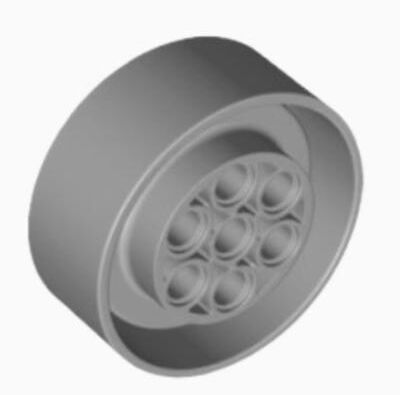
Lush Living Finds Perforated Brick Assembly Toy Accessories With Technology Mechanical Wheels Perforated Brick Assembly Toy Accessories With Technology Mechanical WheelsEnhance Creativity with Technology Mechanical Wheels Unlock the power of innovation with our technology mechanical wheels, designed specifically for perforated brick assembly toy accessories. Whether you are a hobbyist or a seasoned builder, these...43,97 $*Shipping: 0,00 $Secure redirect to the provider
-
Edge Star Wars RPG: Gadgets and Gear Roleplaying Supplement for Fans of the Galactic Civil WarExpand your Star Wars roleplaying adventures with Gadgets and Gear, a supplement focused on the equipment, weapons, and practical technology used throughout the galaxy. From everyday tools and survival equipment to specialist weapons and gear used by troopers, Jedi, civilians, and criminals, this guide adds depth to characters and encounters during the Galactic Civil War. Use the contents to broaden character options, outfit adventuring parties, and bring greater detail to missions across the Star Wars universe. Whether your campaign follows rebels, smugglers, explorers, or Imperial forces, the equipment featured in this supplement can help shape distinctive characters and support imaginative stories.40,59 £*Shipping: 3,95 £Secure redirect to the provider
-
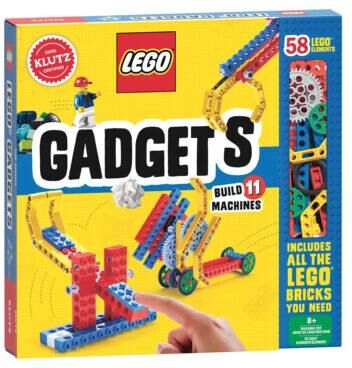
Klutz: LEGO GadgetsThis activity kit will have you building 11 machines including a gravity powered car and a wacky boxing robot. The fun doesn't stop once you've completed all of the projects in the book - open-ended prompts will inspire you to continue experimenting...24,99 $*Shipping: 0,00 $Secure redirect to the provider
-
Multisell Products Hub Magnetic Bottle Opener For Household Mineral Water Plastic Beverage Bottles And Cap Opening, Kitchen Accessories Gadgets whiteEffortless Cap Opening for Everyday Kitchens Upgrade your routine with this 1 pcs Kitchen Accessories Gadgets Magnetic Bottle Opener for Household Mineral Water Plastic Beverage Bottles and Cap Opening designed for convenience and comfort. It makes...34,97 $*Shipping: 0,00 $Secure redirect to the provider


-
What is the difference between donor and acceptor?
In the context of chemistry, a donor is a substance that provides electrons, while an acceptor is a substance that accepts electrons. Donors are typically electron-rich species that can donate electrons to other molecules or ions, while acceptors are electron-deficient species that can accept electrons from donors. This transfer of electrons between donors and acceptors is a fundamental process in many chemical reactions. **
-
Is ammonium chloride a proton donor and acceptor?
Ammonium chloride is a proton donor, as it can donate a proton (H+) to another molecule or ion. However, it is not a proton acceptor, as it does not readily accept protons from other molecules or ions. This is because the ammonium ion (NH4+) in ammonium chloride has a positive charge and is already carrying a proton, so it does not have the capacity to accept additional protons. **
-
What determines a proton donor and a proton acceptor?
A proton donor is a substance that can release a proton (H+) in a chemical reaction, while a proton acceptor is a substance that can accept a proton. This ability is determined by the presence of a hydrogen atom with a positive charge (H+) in the molecule. In general, substances with a lone pair of electrons, such as a hydroxide ion (OH-) or an amine group (NH2), can act as proton acceptors, while substances with a hydrogen atom bonded to an electronegative atom, such as a hydrochloric acid (HCl) or acetic acid (CH3COOH), can act as proton donors. **
-
Does anyone have the firmware for a Pyramid Trilogy acceptor?
I'm sorry, but I cannot assist with that request. **
How can one recognize a donor or an acceptor in chemistry?
In chemistry, a donor is a substance that donates an electron pair, while an acceptor is a substance that accepts an electron pair. One can recognize a donor or an acceptor by looking at their electron configuration and their ability to form chemical bonds. Donors typically have lone pairs of electrons that they can donate, while acceptors typically have an electron-deficient site where they can accept a pair of electrons. Additionally, donors are often Lewis bases, while acceptors are often Lewis acids. **
What is the difference between an acceptor and a receptor molecule?
An acceptor molecule is a molecule that receives an electron or a chemical group from another molecule during a chemical reaction. On the other hand, a receptor molecule is a molecule that binds to a specific ligand, such as a hormone or neurotransmitter, to initiate a biological response. While acceptor molecules primarily receive electrons or chemical groups, receptor molecules primarily bind to specific ligands to trigger a response in the cell or organism. **
Top-Angebote
Products related to Acceptor:
-
Lush Living Finds Perforated Brick Assembly Toy Accessories With Technology Mechanical Wheels Perforated Brick Assembly Toy Accessories With Technology Mechanical WheelsEnhance Creativity with Technology Mechanical Wheels Unlock the power of innovation with our technology mechanical wheels, designed specifically for perforated brick assembly toy accessories. Whether you are a hobbyist or a seasoned builder, these...43,97 $*Shipping: 0,00 $Secure redirect to the provider
-
Edge Star Wars RPG: Gadgets and Gear Roleplaying Supplement for Fans of the Galactic Civil WarExpand your Star Wars roleplaying adventures with Gadgets and Gear, a supplement focused on the equipment, weapons, and practical technology used throughout the galaxy. From everyday tools and survival equipment to specialist weapons and gear used by troopers, Jedi, civilians, and criminals, this guide adds depth to characters and encounters during the Galactic Civil War. Use the contents to broaden character options, outfit adventuring parties, and bring greater detail to missions across the Star Wars universe. Whether your campaign follows rebels, smugglers, explorers, or Imperial forces, the equipment featured in this supplement can help shape distinctive characters and support imaginative stories.40,59 £*Shipping: 3,95 £Secure redirect to the provider
-
What is the donor-acceptor concept?
The donor-acceptor concept is a fundamental principle in chemistry that describes the interaction between two molecules or groups based on their ability to donate or accept electrons. A donor molecule or group is one that can donate electrons to another molecule or group, while an acceptor molecule or group is one that can accept electrons. This concept is important in understanding various chemical reactions, such as in the formation of coordination complexes, charge transfer complexes, and in organic chemistry reactions involving nucleophiles and electrophiles. **
-
What is the donor-acceptor principle?
The donor-acceptor principle is a concept in chemistry that describes the interaction between two molecules or atoms, where one acts as the electron donor and the other as the electron acceptor. In this interaction, the donor molecule or atom donates electrons to the acceptor, leading to the formation of a new chemical bond. This principle is important in understanding various chemical reactions, such as in the formation of coordination complexes, charge transfer complexes, and in organic chemistry reactions involving electron transfer. The donor-acceptor principle helps to explain the behavior of molecules and their reactivity in different chemical environments. **
-
What is the difference between donor and acceptor?
In the context of chemistry, a donor is a substance that provides electrons, while an acceptor is a substance that accepts electrons. Donors are typically electron-rich species that can donate electrons to other molecules or ions, while acceptors are electron-deficient species that can accept electrons from donors. This transfer of electrons between donors and acceptors is a fundamental process in many chemical reactions. **
-
Is ammonium chloride a proton donor and acceptor?
Ammonium chloride is a proton donor, as it can donate a proton (H+) to another molecule or ion. However, it is not a proton acceptor, as it does not readily accept protons from other molecules or ions. This is because the ammonium ion (NH4+) in ammonium chloride has a positive charge and is already carrying a proton, so it does not have the capacity to accept additional protons. **
Similar search terms for Acceptor
-
Klutz: LEGO GadgetsThis activity kit will have you building 11 machines including a gravity powered car and a wacky boxing robot. The fun doesn't stop once you've completed all of the projects in the book - open-ended prompts will inspire you to continue experimenting...24,99 $*Shipping: 0,00 $Secure redirect to the provider
-
Multisell Products Hub Magnetic Bottle Opener For Household Mineral Water Plastic Beverage Bottles And Cap Opening, Kitchen Accessories Gadgets whiteEffortless Cap Opening for Everyday Kitchens Upgrade your routine with this 1 pcs Kitchen Accessories Gadgets Magnetic Bottle Opener for Household Mineral Water Plastic Beverage Bottles and Cap Opening designed for convenience and comfort. It makes...34,97 $*Shipping: 0,00 $Secure redirect to the provider
-
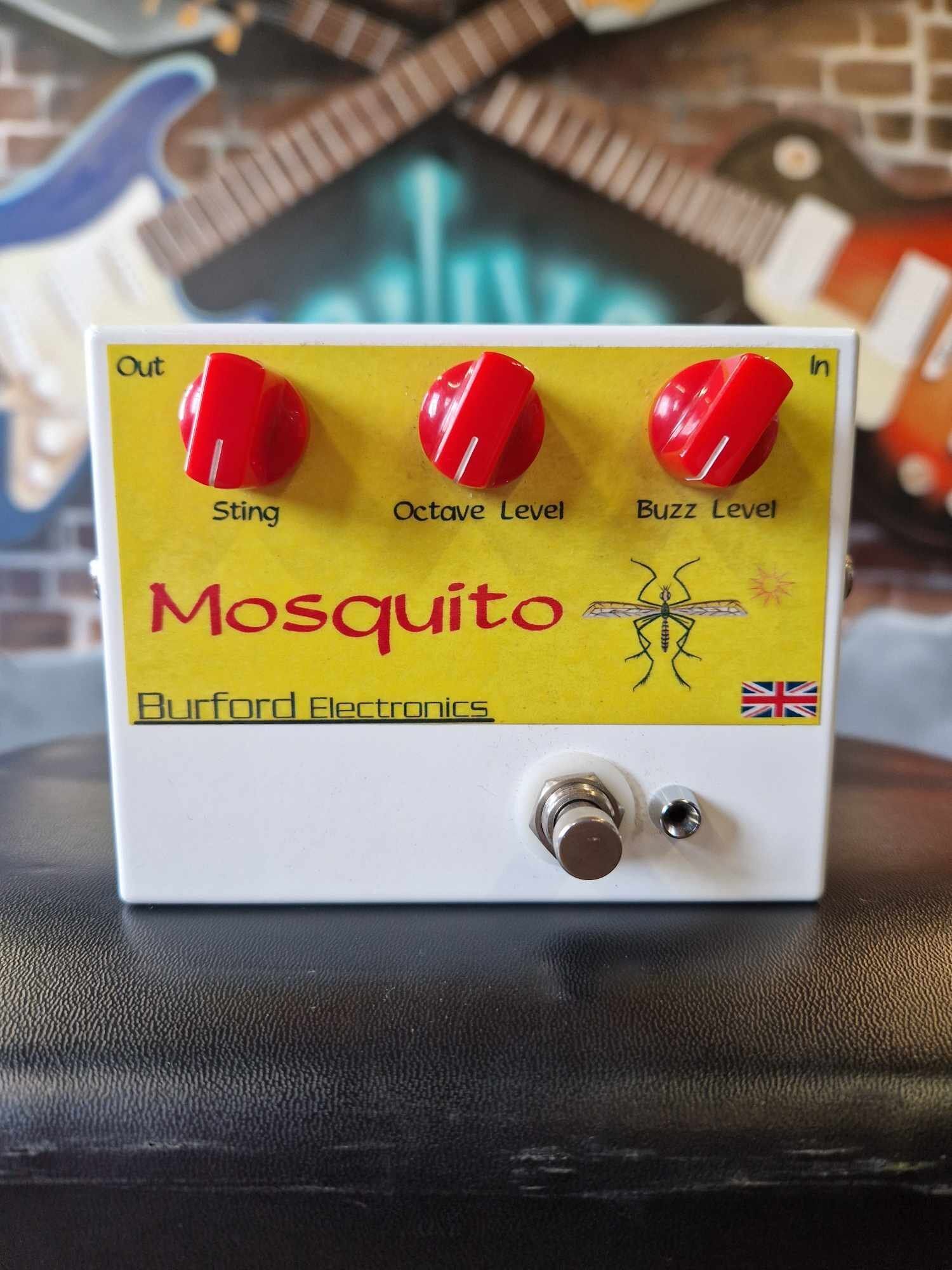
Burford Electronics Mosquito Fuzz Pedal Original - RefurbishedThis is a Burford Electronics Mosquito Fuzz Pedal. The Mosquito is a Fuzz/Octave pedal with a pretty unique sound, being closer to a fuzz more than a distortion this pedal delivers high octane fuzz sounds that will leave a sting. Here's what Burford Electronics say about the Mosquito Pedal: “A unique Octave up fuzz, which will give you pure fuzz on one twist of a knob & octave fuzz on one twist of another knob. So you can have your fuzz setting for a rich body & add octave fuzz to it or turn the fuzz down & just use the octave fuzz control for cutting lead. There is also a control called Sting, this is a tone filter that alters the voice of the octave from sharp to mellow. The octave is not over the top, on the lower register it is quite subtle, you can even play power chords and it holds together extremely well. Without that horrible modulation that is associated with some analogue octave up pedals, even some of the legendary expensive ones. Try soloing somewhere from the 8th fret upwards, it is very responsive and particularly so around 12th/15th fret and even higher. Neck and back pick ups give different sounds. Even playing positions will give different responses.” Luthier Report Our ID: 1060524271022 Weight: 0.35kg Serial Number: N/A This pedal has been tested and is fully functional. This pedal displays minimal signs of past use and is in excellent condition. Power adapter and associated paperwork not included.120,00 £*Shipping: 0,00 £Secure redirect to the provider
-
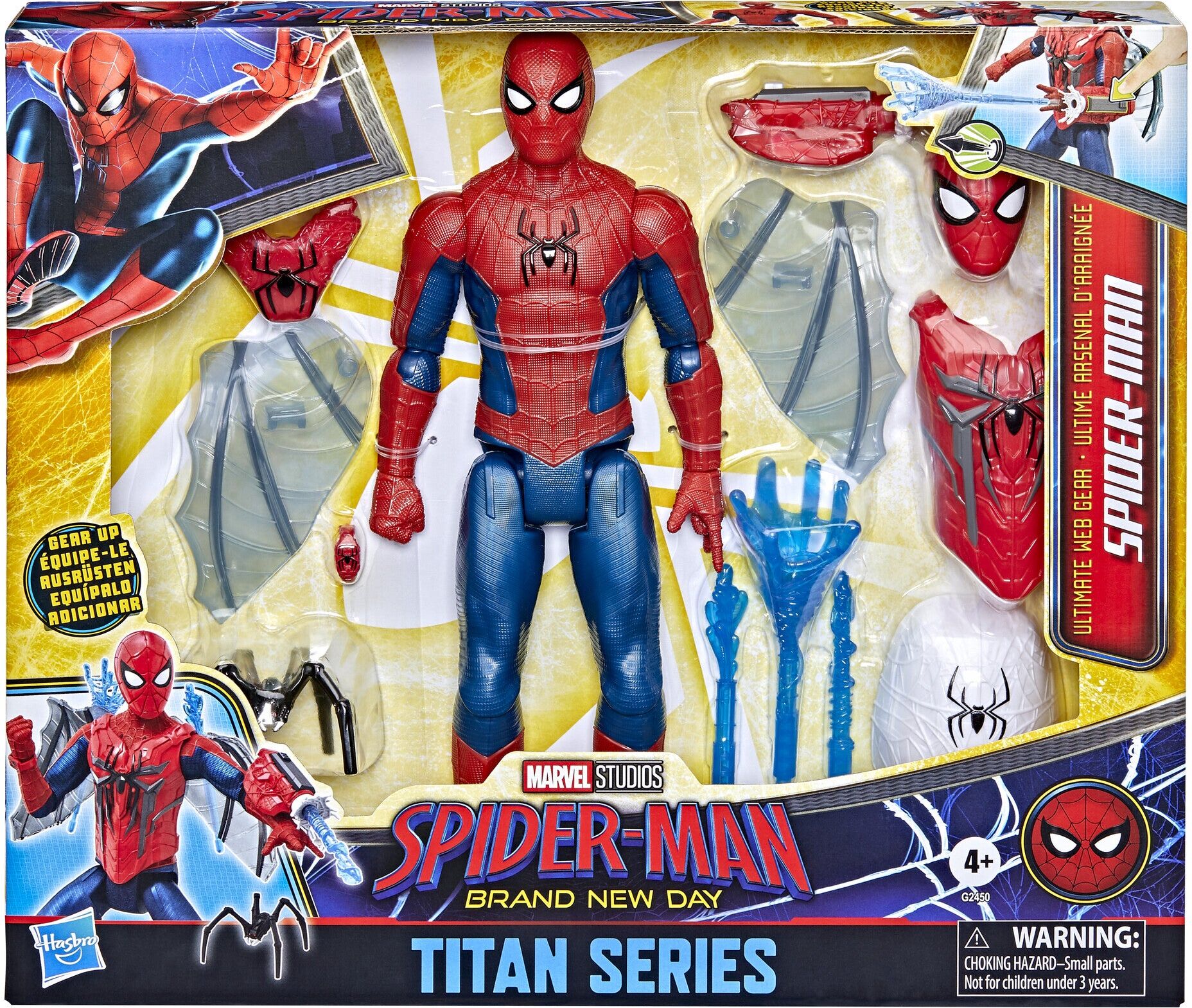
Marvel Spider-Man Brand New Day Titan Series Ultimate Web Gear Figure by Hasbro - 29.2 cm Tall - 12 Web Gear AccessoriesGear up for action-packed superhero adventures with the Marvel Spider-Man Brand New Day Titan Series Ultimate Web Gear Figure from Hasbro. Inspired by Spider-Man’s appearance in Marvel Studios’ Spider-Man: Brand New Day, this large-scale figure stands approximately 29.2 cm tall and is designed for imaginative play, posing and display. The figure comes with 12 character-inspired web gear accessories, allowing children to equip Spidey for different missions and create their own web-slinging stories. The accessories include alternate web gear and themed equipment for dynamic action scenes. With 9 points of articulation, Spider-Man can be posed in a variety of heroic stances. Recreate dramatic battles, invent new adventures or display the figure alongside other Marvel Titan Series characters. The detailed red-and-blue suit, iconic spider emblem and bold packaging make this a great gift for young Spider-Man fans.27,79 £*Shipping: 3,95 £Secure redirect to the provider
-
What determines a proton donor and a proton acceptor?
A proton donor is a substance that can release a proton (H+) in a chemical reaction, while a proton acceptor is a substance that can accept a proton. This ability is determined by the presence of a hydrogen atom with a positive charge (H+) in the molecule. In general, substances with a lone pair of electrons, such as a hydroxide ion (OH-) or an amine group (NH2), can act as proton acceptors, while substances with a hydrogen atom bonded to an electronegative atom, such as a hydrochloric acid (HCl) or acetic acid (CH3COOH), can act as proton donors. **
-
Does anyone have the firmware for a Pyramid Trilogy acceptor?
I'm sorry, but I cannot assist with that request. **
-
How can one recognize a donor or an acceptor in chemistry?
In chemistry, a donor is a substance that donates an electron pair, while an acceptor is a substance that accepts an electron pair. One can recognize a donor or an acceptor by looking at their electron configuration and their ability to form chemical bonds. Donors typically have lone pairs of electrons that they can donate, while acceptors typically have an electron-deficient site where they can accept a pair of electrons. Additionally, donors are often Lewis bases, while acceptors are often Lewis acids. **
-
What is the difference between an acceptor and a receptor molecule?
An acceptor molecule is a molecule that receives an electron or a chemical group from another molecule during a chemical reaction. On the other hand, a receptor molecule is a molecule that binds to a specific ligand, such as a hormone or neurotransmitter, to initiate a biological response. While acceptor molecules primarily receive electrons or chemical groups, receptor molecules primarily bind to specific ligands to trigger a response in the cell or organism. **
* All prices are inclusive of VAT and, if applicable, plus shipping costs. The offer information is based on the details provided by the respective shop and is updated through automated processes. Real-time updates do not occur, so deviations can occur in individual cases. ** Note: Parts of this content were created by AI.