Buy xxwwx.com ?
We are moving the project
xxwwx.com .
Are you interested in purchasing the domain
xxwwx.com ?
domain@kv-gmbh.de · 0541-91531010
Buy xxwwx.com ?
What was the compression pressure?
The compression pressure in an engine refers to the pressure created in the combustion chamber when the air-fuel mixture is compressed by the piston. This pressure is measured in pounds per square inch (psi) and is a critical factor in determining the engine's performance and efficiency. The compression pressure can vary depending on the engine design and specifications, but it is typically in the range of 120 to 180 psi for most gasoline engines. **
Why does pressure arise through compression?
Pressure arises through compression because when a substance is compressed, its molecules are forced closer together, leading to an increase in the number of collisions between the molecules. These collisions create a force that is exerted on the walls of the container, resulting in an increase in pressure. Additionally, as the volume of the substance decreases due to compression, the same amount of molecules now occupy a smaller space, leading to an increase in the density of the substance and therefore an increase in pressure. **


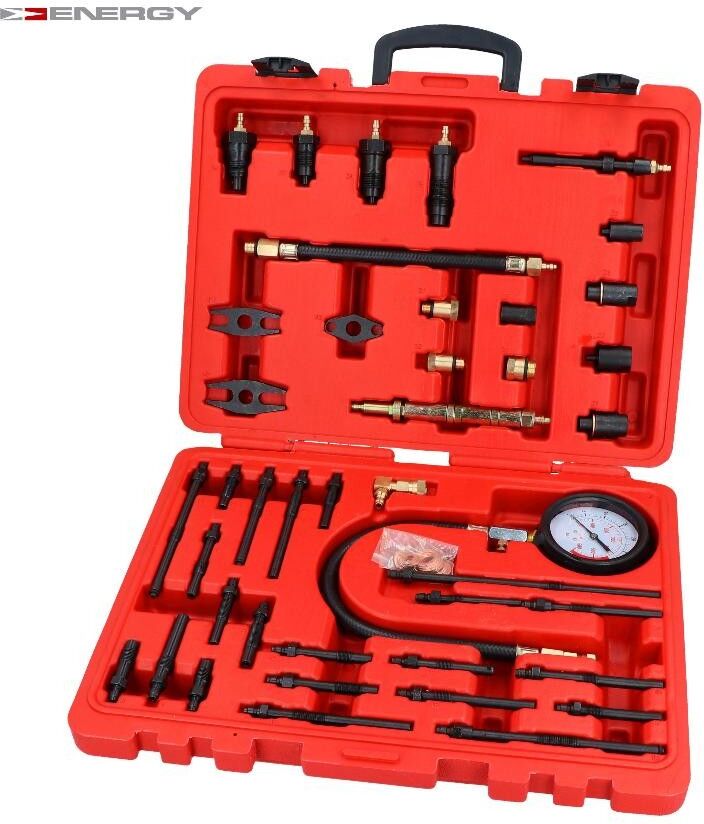
Similar search terms for ENERGY-NE00024-Compression-Pressure
Top-Angebote
Products related to ENERGY-NE00024-Compression-Pressure:
-
ENERGY MAP0002 Intake manifold pressure sensorVoltage [V]: 12; Supplementary Article / Supplementary Info: without cable pull; Number of pins: 3; Weight [kg]: 0,05; Operating Mode: Electric; Always compare old and new part (in particular OE No.): ; TecDoc Engine Number: 83, 97, 658, 5080, 683, 5097, 615, 661, 4277, 5160, 729, 5116, 5101, 2856, 2857, 4834, 5396, 2775, 4836, 2864, 2777, 2859, 2866, 2846, 2839, 2863, 4846, 14729, 1070, 994, 1012, 1069, 11847, 727, 4849, 6554, 4353, 2847, 14728, 1038, 10187, 4389, 16737, 4400, 9476, 10188, 4285, 1008, 14730, 4396, 872, 15501, 17847, 14731, 6562, 892, 6808, 15632; Engine Code: H1A17,49 £*Shipping: 8,45 £Secure redirect to the provider


-
Is pressure a form of energy?
Pressure is not a form of energy itself, but it can be related to energy in certain contexts. Pressure is a measure of force applied over a specific area, while energy is the ability to do work. In some cases, pressure can be used to store or transfer energy, such as in a compressed air system or hydraulic system. So while pressure is not a form of energy, it can be a factor in energy-related processes. **
-
How is gas pressure calculated using energy?
Gas pressure can be calculated using the kinetic theory of gases, which relates the average kinetic energy of gas molecules to the gas pressure. The kinetic energy of gas molecules is directly proportional to the temperature of the gas. Therefore, the gas pressure can be calculated using the equation P = (1/3) * (ρ * v^2), where P is the gas pressure, ρ is the density of the gas, and v is the average velocity of the gas molecules. This equation shows that gas pressure is directly related to the kinetic energy of the gas molecules, which is determined by the temperature of the gas. **
-
What is an electronics master for energy and building technology?
An electronics master for energy and building technology is a professional who specializes in designing, installing, and maintaining electronic systems that optimize energy efficiency and control various building functions. They are experts in integrating technologies such as lighting, heating, ventilation, and air conditioning systems to create smart and sustainable buildings. These professionals play a crucial role in ensuring that buildings are energy-efficient, environmentally friendly, and equipped with advanced automation systems for optimal performance. **
-
What is an electronics technician for energy and building technology?
An electronics technician for energy and building technology is a professional who specializes in installing, maintaining, and repairing electrical and electronic systems in buildings and energy facilities. They are responsible for ensuring that electrical systems are functioning properly, and they may work on a variety of systems including lighting, heating, ventilation, air conditioning, and renewable energy systems. These technicians are trained to troubleshoot and diagnose electrical problems, and they may also be involved in the design and implementation of energy-efficient systems. Overall, their role is crucial in ensuring the safety, efficiency, and functionality of electrical and electronic systems in buildings and energy facilities. **


What is the pressure in solar thermal energy?
The pressure in solar thermal energy systems can vary depending on the specific design and application. In general, the pressure in solar thermal systems is typically lower than in traditional fossil fuel-based systems. This is because solar thermal systems often operate at lower temperatures and do not require high pressure to generate energy. However, some solar thermal systems, such as concentrating solar power plants, may operate at higher pressures to increase the efficiency of energy conversion. Overall, the pressure in solar thermal energy systems is carefully controlled to ensure safe and efficient operation. **
What is better: Industrial electronics technician or electronics technician for energy and building technology?
The choice between an industrial electronics technician and an electronics technician for energy and building technology depends on your career goals and interests. An industrial electronics technician typically works with manufacturing equipment and machinery, while an electronics technician for energy and building technology focuses on electrical systems in buildings and energy infrastructure. If you are interested in working with manufacturing processes and machinery, then industrial electronics technician may be a better fit. However, if you are passionate about sustainable energy and building technology, then electronics technician for energy and building technology may be the better option for you. **
Top-Angebote
Products related to ENERGY-NE00024-Compression-Pressure:
-
What was the compression pressure?
The compression pressure in an engine refers to the pressure created in the combustion chamber when the air-fuel mixture is compressed by the piston. This pressure is measured in pounds per square inch (psi) and is a critical factor in determining the engine's performance and efficiency. The compression pressure can vary depending on the engine design and specifications, but it is typically in the range of 120 to 180 psi for most gasoline engines. **
-
Why does pressure arise through compression?
Pressure arises through compression because when a substance is compressed, its molecules are forced closer together, leading to an increase in the number of collisions between the molecules. These collisions create a force that is exerted on the walls of the container, resulting in an increase in pressure. Additionally, as the volume of the substance decreases due to compression, the same amount of molecules now occupy a smaller space, leading to an increase in the density of the substance and therefore an increase in pressure. **
-
Is pressure a form of energy?
Pressure is not a form of energy itself, but it can be related to energy in certain contexts. Pressure is a measure of force applied over a specific area, while energy is the ability to do work. In some cases, pressure can be used to store or transfer energy, such as in a compressed air system or hydraulic system. So while pressure is not a form of energy, it can be a factor in energy-related processes. **
-
How is gas pressure calculated using energy?
Gas pressure can be calculated using the kinetic theory of gases, which relates the average kinetic energy of gas molecules to the gas pressure. The kinetic energy of gas molecules is directly proportional to the temperature of the gas. Therefore, the gas pressure can be calculated using the equation P = (1/3) * (ρ * v^2), where P is the gas pressure, ρ is the density of the gas, and v is the average velocity of the gas molecules. This equation shows that gas pressure is directly related to the kinetic energy of the gas molecules, which is determined by the temperature of the gas. **
Similar search terms for ENERGY-NE00024-Compression-Pressure
-
ENERGY MAP0002 Intake manifold pressure sensorVoltage [V]: 12; Supplementary Article / Supplementary Info: without cable pull; Number of pins: 3; Weight [kg]: 0,05; Operating Mode: Electric; Always compare old and new part (in particular OE No.): ; TecDoc Engine Number: 83, 97, 658, 5080, 683, 5097, 615, 661, 4277, 5160, 729, 5116, 5101, 2856, 2857, 4834, 5396, 2775, 4836, 2864, 2777, 2859, 2866, 2846, 2839, 2863, 4846, 14729, 1070, 994, 1012, 1069, 11847, 727, 4849, 6554, 4353, 2847, 14728, 1038, 10187, 4389, 16737, 4400, 9476, 10188, 4285, 1008, 14730, 4396, 872, 15501, 17847, 14731, 6562, 892, 6808, 15632; Engine Code: H1A17,49 £*Shipping: 8,45 £Secure redirect to the provider
-
KB Global HS-A1020A Compression Pressure RecorderFuel Type: Diesel; Thread Size: M20x1.5, M10x1, M12x1.25, M24x2, M14x1.25, M10x1.25; Measuring Range to [bar]: 70; Vehicle type: VW, AUDI, SEAT, SKODA, FIAT, ALFA ROMEO, LANCIA, PEUGEOT, FORD, OPEL, TOYOTA, MERCEDES, ROVER27,99 £*Shipping: 8,45 £Secure redirect to the provider
-
What is an electronics master for energy and building technology?
An electronics master for energy and building technology is a professional who specializes in designing, installing, and maintaining electronic systems that optimize energy efficiency and control various building functions. They are experts in integrating technologies such as lighting, heating, ventilation, and air conditioning systems to create smart and sustainable buildings. These professionals play a crucial role in ensuring that buildings are energy-efficient, environmentally friendly, and equipped with advanced automation systems for optimal performance. **
-
What is an electronics technician for energy and building technology?
An electronics technician for energy and building technology is a professional who specializes in installing, maintaining, and repairing electrical and electronic systems in buildings and energy facilities. They are responsible for ensuring that electrical systems are functioning properly, and they may work on a variety of systems including lighting, heating, ventilation, air conditioning, and renewable energy systems. These technicians are trained to troubleshoot and diagnose electrical problems, and they may also be involved in the design and implementation of energy-efficient systems. Overall, their role is crucial in ensuring the safety, efficiency, and functionality of electrical and electronic systems in buildings and energy facilities. **
-
What is the pressure in solar thermal energy?
The pressure in solar thermal energy systems can vary depending on the specific design and application. In general, the pressure in solar thermal systems is typically lower than in traditional fossil fuel-based systems. This is because solar thermal systems often operate at lower temperatures and do not require high pressure to generate energy. However, some solar thermal systems, such as concentrating solar power plants, may operate at higher pressures to increase the efficiency of energy conversion. Overall, the pressure in solar thermal energy systems is carefully controlled to ensure safe and efficient operation. **
-
What is better: Industrial electronics technician or electronics technician for energy and building technology?
The choice between an industrial electronics technician and an electronics technician for energy and building technology depends on your career goals and interests. An industrial electronics technician typically works with manufacturing equipment and machinery, while an electronics technician for energy and building technology focuses on electrical systems in buildings and energy infrastructure. If you are interested in working with manufacturing processes and machinery, then industrial electronics technician may be a better fit. However, if you are passionate about sustainable energy and building technology, then electronics technician for energy and building technology may be the better option for you. **
* All prices are inclusive of VAT and, if applicable, plus shipping costs. The offer information is based on the details provided by the respective shop and is updated through automated processes. Real-time updates do not occur, so deviations can occur in individual cases. ** Note: Parts of this content were created by AI.