Buy xxwwx.com ?
We are moving the project
xxwwx.com .
Are you interested in purchasing the domain
xxwwx.com ?
domain@kv-gmbh.de · 0541-91531010
Buy xxwwx.com ?
How is a covalent bond formed when nonmetal atoms meet nonmetal atoms?
When nonmetal atoms meet nonmetal atoms, they can form covalent bonds by sharing electrons. Each nonmetal atom contributes one or more electrons to the bond, creating a shared electron pair between the two atoms. This sharing of electrons allows both atoms to achieve a more stable electron configuration, typically by filling their outermost energy levels. The strength of the covalent bond depends on the number of shared electrons and the distance between the nuclei of the bonded atoms. **
How does a nonmetal react with oxygen?
Nonmetals typically react with oxygen to form oxides. This reaction can be highly exothermic, meaning it releases a significant amount of heat. For example, when sulfur reacts with oxygen, it forms sulfur dioxide. Nonmetals generally have a high affinity for oxygen, and the resulting oxides can have a variety of properties, such as being acidic or basic. Overall, the reaction of nonmetals with oxygen is an important aspect of chemical reactivity and plays a role in various natural and industrial processes. **


Similar search terms for Nonmetal
Top-Angebote
Products related to Nonmetal:
-
Edge Star Wars RPG: Gadgets and Gear Roleplaying Supplement for Fans of the Galactic Civil WarExpand your Star Wars roleplaying adventures with Gadgets and Gear, a supplement focused on the equipment, weapons, and practical technology used throughout the galaxy. From everyday tools and survival equipment to specialist weapons and gear used by troopers, Jedi, civilians, and criminals, this guide adds depth to characters and encounters during the Galactic Civil War. Use the contents to broaden character options, outfit adventuring parties, and bring greater detail to missions across the Star Wars universe. Whether your campaign follows rebels, smugglers, explorers, or Imperial forces, the equipment featured in this supplement can help shape distinctive characters and support imaginative stories.40,59 £*Shipping: 3,95 £Secure redirect to the provider
-
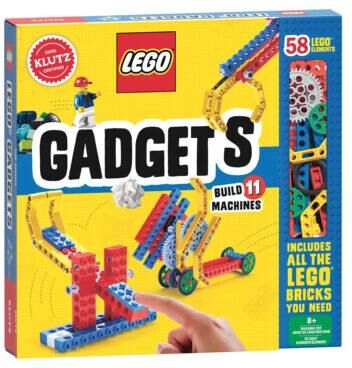
Klutz: LEGO GadgetsThis activity kit will have you building 11 machines including a gravity powered car and a wacky boxing robot. The fun doesn't stop once you've completed all of the projects in the book - open-ended prompts will inspire you to continue experimenting...24,99 $*Shipping: 0,00 $Secure redirect to the provider
-
Inspire Curations FixPro 24 in 1 Precision Screwdriver Set Magnetic Electronics Repair Kit For Phones, Laptops & Small Devices goldenHandle delicate repairs with confidence using this compact and versatile precision screwdriver set designed for modern electronics and everyday fixes. Perfect for DIY enthusiasts, technicians, gamers, and gadget owners, this allinone repair kit...53,00 $*Shipping: 0,00 $Secure redirect to the provider
-
Uplift Essentials Precision Screwdriver Set Professional Repair Kit For Electronics, Laptops, Phones, And Small Devices 25 In 1 (black)This precision screwdriver kit is designed for repairing electronics and handling detailed technical tasks. Whether you are working on laptops, phones, gaming consoles, drones, watches, eyeglasses, or home gadgets, this allinone set provides every...64,97 $*Shipping: 0,00 $Secure redirect to the provider



-
How do you write formulas for nonmetal oxides?
To write formulas for nonmetal oxides, you need to first identify the nonmetal element present in the oxide. Then, determine the oxidation number of the nonmetal element. Finally, write the formula by balancing the charges of the nonmetal element and oxygen. For example, the formula for carbon dioxide (CO2) is written by balancing the +4 oxidation number of carbon with the -2 oxidation number of oxygen. **
-
How can one recognize if an element is a nonmetal?
Nonmetals can be recognized by several characteristics. They are typically located on the right side of the periodic table, are poor conductors of heat and electricity, and have dull or non-shiny appearances. Nonmetals also tend to have lower melting and boiling points compared to metals. Additionally, they often form negative ions when they react with metals. **
-
What are the differences between metal oxides and nonmetal oxides?
Metal oxides are compounds formed between a metal and oxygen, while nonmetal oxides are compounds formed between a nonmetal and oxygen. Metal oxides tend to be basic in nature, meaning they react with acids to form salts and water. Nonmetal oxides, on the other hand, tend to be acidic in nature, meaning they react with bases to form salts and water. Additionally, metal oxides typically have higher melting and boiling points compared to nonmetal oxides. **
-
What are the properties of metal oxides and nonmetal oxides?
Metal oxides are typically basic in nature, meaning they react with acids to form salts and water. They are also typically solid at room temperature and have high melting and boiling points. Nonmetal oxides, on the other hand, are usually acidic in nature, meaning they react with bases to form salts and water. They are often gases or liquids at room temperature and have lower melting and boiling points compared to metal oxides. Both types of oxides play important roles in various chemical reactions and industrial processes. **


Ionic bonding always occurs between a metal and a nonmetal.
Ionic bonding always occurs between a metal and a nonmetal because of the large difference in electronegativity between the two types of elements. Metals have low electronegativity and tend to lose electrons, while nonmetals have high electronen **
What is an electron transfer reaction between a metal and a nonmetal?
An electron transfer reaction between a metal and a nonmetal occurs when the metal atom loses one or more electrons to the nonmetal atom. This transfer of electrons results in the formation of ions, with the metal forming a positively charged ion (cation) and the nonmetal forming a negatively charged ion (anion). This type of reaction is characteristic of ionic bonding, where the attraction between the oppositely charged ions leads to the formation of an ionic compound. Examples of such reactions include the formation of sodium chloride (NaCl) when sodium (a metal) reacts with chlorine (a nonmetal). **
Top-Angebote
Products related to Nonmetal:
-
Rare Purchases Piece Repair Tool Kit With Torx Screwdrivers For Digital Devices And Gadgets magnetismIntroducing our Multifunctional Precision Screwdriver Set, the essential tool kit for anyone who works with digital devices. Whether you're repairing a phone, tablet, PC, or any other gadget, this versatile tool set provides all the necessary...49,97 $*Shipping: 0,00 $Secure redirect to the provider
-
Lush Living Finds Perforated Brick Assembly Toy Accessories With Technology Mechanical Wheels Perforated Brick Assembly Toy Accessories With Technology Mechanical WheelsEnhance Creativity with Technology Mechanical Wheels Unlock the power of innovation with our technology mechanical wheels, designed specifically for perforated brick assembly toy accessories. Whether you are a hobbyist or a seasoned builder, these...43,97 $*Shipping: 0,00 $Secure redirect to the provider
-
Edge Star Wars RPG: Gadgets and Gear Roleplaying Supplement for Fans of the Galactic Civil WarExpand your Star Wars roleplaying adventures with Gadgets and Gear, a supplement focused on the equipment, weapons, and practical technology used throughout the galaxy. From everyday tools and survival equipment to specialist weapons and gear used by troopers, Jedi, civilians, and criminals, this guide adds depth to characters and encounters during the Galactic Civil War. Use the contents to broaden character options, outfit adventuring parties, and bring greater detail to missions across the Star Wars universe. Whether your campaign follows rebels, smugglers, explorers, or Imperial forces, the equipment featured in this supplement can help shape distinctive characters and support imaginative stories.40,59 £*Shipping: 3,95 £Secure redirect to the provider
-
Klutz: LEGO GadgetsThis activity kit will have you building 11 machines including a gravity powered car and a wacky boxing robot. The fun doesn't stop once you've completed all of the projects in the book - open-ended prompts will inspire you to continue experimenting...24,99 $*Shipping: 0,00 $Secure redirect to the provider
-
How is a covalent bond formed when nonmetal atoms meet nonmetal atoms?
When nonmetal atoms meet nonmetal atoms, they can form covalent bonds by sharing electrons. Each nonmetal atom contributes one or more electrons to the bond, creating a shared electron pair between the two atoms. This sharing of electrons allows both atoms to achieve a more stable electron configuration, typically by filling their outermost energy levels. The strength of the covalent bond depends on the number of shared electrons and the distance between the nuclei of the bonded atoms. **
-
How does a nonmetal react with oxygen?
Nonmetals typically react with oxygen to form oxides. This reaction can be highly exothermic, meaning it releases a significant amount of heat. For example, when sulfur reacts with oxygen, it forms sulfur dioxide. Nonmetals generally have a high affinity for oxygen, and the resulting oxides can have a variety of properties, such as being acidic or basic. Overall, the reaction of nonmetals with oxygen is an important aspect of chemical reactivity and plays a role in various natural and industrial processes. **
-
How do you write formulas for nonmetal oxides?
To write formulas for nonmetal oxides, you need to first identify the nonmetal element present in the oxide. Then, determine the oxidation number of the nonmetal element. Finally, write the formula by balancing the charges of the nonmetal element and oxygen. For example, the formula for carbon dioxide (CO2) is written by balancing the +4 oxidation number of carbon with the -2 oxidation number of oxygen. **
-
How can one recognize if an element is a nonmetal?
Nonmetals can be recognized by several characteristics. They are typically located on the right side of the periodic table, are poor conductors of heat and electricity, and have dull or non-shiny appearances. Nonmetals also tend to have lower melting and boiling points compared to metals. Additionally, they often form negative ions when they react with metals. **
Similar search terms for Nonmetal
-
Inspire Curations FixPro 24 in 1 Precision Screwdriver Set Magnetic Electronics Repair Kit For Phones, Laptops & Small Devices goldenHandle delicate repairs with confidence using this compact and versatile precision screwdriver set designed for modern electronics and everyday fixes. Perfect for DIY enthusiasts, technicians, gamers, and gadget owners, this allinone repair kit...53,00 $*Shipping: 0,00 $Secure redirect to the provider
-
Uplift Essentials Precision Screwdriver Set Professional Repair Kit For Electronics, Laptops, Phones, And Small Devices 25 In 1 (black)This precision screwdriver kit is designed for repairing electronics and handling detailed technical tasks. Whether you are working on laptops, phones, gaming consoles, drones, watches, eyeglasses, or home gadgets, this allinone set provides every...64,97 $*Shipping: 0,00 $Secure redirect to the provider
-
Rare Purchases Piece Repair Tool Kit With Torx Screwdrivers For Digital Devices And Gadgets hand TwistIntroducing our Multifunctional Precision Screwdriver Set, the essential tool kit for anyone who works with digital devices. Whether you're repairing a phone, tablet, PC, or any other gadget, this versatile tool set provides all the necessary...39,97 $*Shipping: 0,00 $Secure redirect to the provider
-
Uplift Essentials Precision Screwdriver Set Professional Repair Kit For Electronics, Laptops, Phones, And Small Devices 152 In 1 (blue)This precision screwdriver kit is designed for repairing electronics and handling detailed technical tasks. Whether you are working on laptops, phones, gaming consoles, drones, watches, eyeglasses, or home gadgets, this allinone set provides every...125,97 $*Shipping: 0,00 $Secure redirect to the provider
-
What are the differences between metal oxides and nonmetal oxides?
Metal oxides are compounds formed between a metal and oxygen, while nonmetal oxides are compounds formed between a nonmetal and oxygen. Metal oxides tend to be basic in nature, meaning they react with acids to form salts and water. Nonmetal oxides, on the other hand, tend to be acidic in nature, meaning they react with bases to form salts and water. Additionally, metal oxides typically have higher melting and boiling points compared to nonmetal oxides. **
-
What are the properties of metal oxides and nonmetal oxides?
Metal oxides are typically basic in nature, meaning they react with acids to form salts and water. They are also typically solid at room temperature and have high melting and boiling points. Nonmetal oxides, on the other hand, are usually acidic in nature, meaning they react with bases to form salts and water. They are often gases or liquids at room temperature and have lower melting and boiling points compared to metal oxides. Both types of oxides play important roles in various chemical reactions and industrial processes. **
-
Ionic bonding always occurs between a metal and a nonmetal.
Ionic bonding always occurs between a metal and a nonmetal because of the large difference in electronegativity between the two types of elements. Metals have low electronegativity and tend to lose electrons, while nonmetals have high electronen **
-
What is an electron transfer reaction between a metal and a nonmetal?
An electron transfer reaction between a metal and a nonmetal occurs when the metal atom loses one or more electrons to the nonmetal atom. This transfer of electrons results in the formation of ions, with the metal forming a positively charged ion (cation) and the nonmetal forming a negatively charged ion (anion). This type of reaction is characteristic of ionic bonding, where the attraction between the oppositely charged ions leads to the formation of an ionic compound. Examples of such reactions include the formation of sodium chloride (NaCl) when sodium (a metal) reacts with chlorine (a nonmetal). **
* All prices are inclusive of VAT and, if applicable, plus shipping costs. The offer information is based on the details provided by the respective shop and is updated through automated processes. Real-time updates do not occur, so deviations can occur in individual cases. ** Note: Parts of this content were created by AI.